
Top Types of Security Gates: Which One Is Best for Your Property?
November 4, 2025
Types of Wire Mesh for Urban Fencing: What You Need to Know?
November 15, 2025Difference Between Weld Mesh and Wire Mesh: Which One Should You Pick?
If you have ever searched for fencing materials, you may have come across terms like wire mesh and weld mesh. Both look similar at first glance, but their structure, strength, and use are quite different.
This blog explains the difference between weld mesh and wire mesh, their specifications, applications, and how to choose the right one for your property or project.
Whether you’re planning a farm fence, industrial enclosure, or building reinforcement, this guide will help you make an informed decision.
Understanding Wire Mesh and Weld Mesh
What Is Wire Mesh?
Wire mesh is a grid made by interlacing or welding thin metal wires together. It comes in rolls or panels and is used for filtration, screening, safety guards, cages, and fencing.
It can be made from mild steel, galvanized steel, or stainless steel. Depending on how it is made, it can be flexible like woven fabric or stiff like a sheet.
- Woven wire mesh: Wires are woven over and under each other, just like cloth.
- Welded wire mesh: Wires are welded at every joint, forming a strong and rigid grid.
What Is a Weld Mesh Fence?
A weldmesh fence is made using welded wire mesh panels attached to posts. The welded joints keep the structure strong and secure. This makes it ideal for boundaries, construction sites, and animal enclosures.
Welded mesh fences are often used in modern security fencing systems because they provide better durability and a cleaner look compared to chain link fences.
Explore the PeriFence weldmesh fence options for residential and commercial spaces.
How They’re Made: The Key Manufacturing Difference
The main difference between weld mesh and wire mesh lies in the manufacturing process.
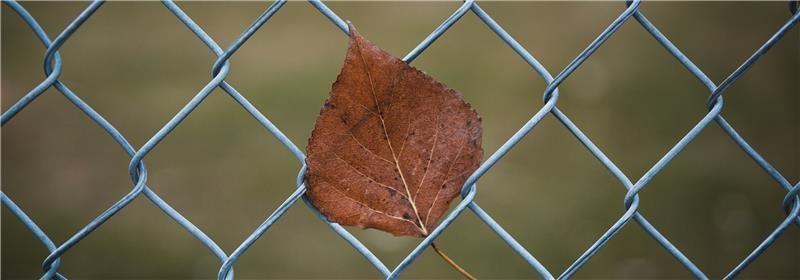
- Weld Mesh: Made by spot welding horizontal and vertical wires at every intersection. This makes the mesh rigid and helps it retain its shape.
- Wire Mesh: Made by weaving wires in a crisscross pattern. This gives the mesh flexibility, allowing it to be rolled easily.
Because of this structural difference:
- Weld mesh is ideal for strong fencing or reinforcement work.
- Woven wire mesh is better for filtration, decorative, or lightweight purposes.
Key Features and Specifications
Here’s a quick look at the weld mesh specifications and wire mesh specification standards you’ll often find in the market.
| Feature | Weld Mesh | Wire Mesh |
|---|---|---|
| Wire Diameter | 0.5 mm – 6.0 mm | 0.02 mm – 2.0 mm |
| Opening Size | 12 mm × 12 mm to 200 mm × 200 mm | 0.025 mm (micron) to 50 mm |
| Width & Length | Panels: 0.3 m to 2.5 m; Rolls: 15 m to 50 m | Rolls: up to 2 m wide |
| Finishes | Hot-dip galvanized, PVC coated, stainless steel | Galvanized, stainless steel, mild steel |
| Strength | Very high, rigid and anti-cut | Flexible, suitable for shaping and fine filtering |
Looking for fencing with durable weld mesh specifications? Get a free estimate from PeriFence.
Strength and Durability Comparison
Weld mesh is stronger than woven wire mesh because each joint is permanently fused. This means the shape stays intact even under heavy load or pressure.
On the other side, woven wire mesh can come apart or change shape if you tug on it too hard. However, it is great for small apertures or places where flexibility is vital.
Does welded mesh rust?
Yes, untreated steel can rust over time. However, galvanizing or PVC coating prevents corrosion.
According to the American Galvanizers Association, says that hot-dip galvanized coatings can endure up to 50 years in mild environments and 20 to 25 years in coastal or industrial areas. Stainless steel meshes last even longer.
If your fence will be exposed to rain, humidity, or chemicals, choose for galvanized or stainless-steel welded mesh.
Practical Applications of Each Type
Weld mesh application
- Security and perimeter fencing
- Construction reinforcement
- Animal cages and enclosures
- Machine safety guards
- Highway and airport barriers
Wire mesh applications
- Industrial filtration
- Decorative metal panels and facades
- Window and insect screens
- Gardening and DIY projects
- Sorting and separation systems
Weld mesh is the go-to choice for projects needing strength and rigidity, while wire mesh suits tasks requiring flexibility or finer openings.
Unsure which mesh suits your project? Talk to a PeriFence expert today.
Cost and Maintenance Considerations
Weld mesh is usually more expensive than wire mesh since it is made with tougher materials and a more complicated procedure. But its longer life frequently makes up for the higher initial expense.
A galvanized weld mesh fence can last 15 to 25 years with little upkeep, although uncoated wire mesh may need to be replaced sooner.
Maintenance Tips
- Inspect for rust or damage twice a year.
- Wash with mild detergent and water.
- Apply anti-rust paint or coatings if needed.
Regular care preserves appearance and durability.
How to Choose Between Weld Mesh and Wire Mesh
Here’s a simple guide to help you decide which type is right for your project.
| Requirement | Best Choice | Reason |
|---|---|---|
| High security or boundary fence | Weld Mesh | Strong, anti-cut, difficult to climb |
| Decorative or small screening | Wire Mesh | Flexible and lightweight |
| Outdoor exposure (rain, humidity) | Galvanized or Stainless Weld Mesh | Rust resistant |
| Temporary fencing | Wire Mesh Rolls | Easy to install and move |
| Reinforcement for concrete | Weld Mesh Panels | Meets IS 4948 standards for reinforcement |
You can review the official IS 4948:2002 – Welded Steel Wire Fabric Standard by the Bureau of Indian Standards for more details.
Need help choosing? PeriFence offers on-site evaluations and expert recommendations.
Pros and Cons of Each Mesh Type
Weld Mesh
Advantages
- Strong and rigid structure
- Long lifespan with protective coating
- Easy panel installation
- Minimal maintenance
Limitations
- Higher initial cost
- Less flexibility
Wire Mesh
Advantages
- Lightweight and adaptable
- Available in fine openings
- Budget-friendly for small projects
Limitations
- Not suitable for high-security use
- It can rust faster without coating
Installation and Safety Recommendations
- Use sturdy posts spaced 2–2.5 meters apart.
- Always use galvanized fasteners to avoid early rusting.
- Anchor panels properly to resist wind load.
- Avoid bending welded panels too much, as it can break the joints.
- For electric or high-security systems, seek professional installation.
Industry Standards and Certifications
Before buying, check if the product meets quality standards like:
- IS 4948 – Welded steel wire fabric for concrete reinforcement (India)
- ASTM A185 – Standard for welded wire reinforcement (US)
- ISO 9044 – Specification for woven wire cloth
When you buy certified products, you know you’ll get the same quality every time and that they will last a long time.
Quick Buying Checklist
Before finalizing your order, note the following:
- Type of mesh: welded or woven
- Wire diameter
- Opening size
- Coating type (galvanized, PVC, or stainless)
- Panel or roll length
- Application environment (indoor, outdoor, coastal)
Need help selecting the right fencing materials? Request a call from PeriFence today.
Conclusion
Both wire mesh and welded mesh have important roles in fencing and construction. The difference between weld mesh and wire mesh mainly lies in their structure and strength.
Whatever your requirement, always consider wire gauge, coating, and installation quality to ensure safety and long service life.
If you’re planning a new fence or replacement, reach out to PeriFence for expert guidance, material selection, and installation support. For reliable fencing in Bangalore, choosing an experienced fencing contractor in Bangalore ensures long-lasting quality and a secure, well-executed installation.
FAQs
What is Welded Wire Mesh used for
What is another name for wire mesh?
Wire mesh is also called wire cloth, wire fabric, or hardware cloth, depending on the weave type and use.
How strong is welded mesh?
The strength depends on wire thickness and welding quality. A 3–6 mm galvanized welded mesh can withstand heavy impact and is much stronger than a woven mesh of the same gauge.
Is welded mesh better than chain link fence?
Yes, welded mesh is generally more durable and secure than chain link fencing. Unlike chain link, which is easily cut or bent, welded mesh panels have rigid joints that prevent tampering and deformation. They also look cleaner and last longer, especially when they are galvanized or coated with PVC.